Disclosure: This post contains affiliate links. We may earn a commission at no extra cost to you.
Are you tired of staring into your fridge at 6 PM, wondering what to make for dinner?
You’re not alone. Thousands of people struggle with the nightly dinner dilemma. But here’s the good news: meal prepping can transform your week from chaotic to calm.
The secret isn’t spending your entire Sunday in the kitchen. It’s about working smarter, not harder. With the right approach, you can prep healthy meals for the entire week in just a few hours.
Let me show you exactly how to do it.
Plan Your Menu and Create a Shopping List
Everything starts with a solid plan. Trust me on this one.
Sit down on Friday or Saturday and map out what you’ll eat for the week. Don’t overthink it. Start with 3-4 main dishes that you can mix and match.
Choose recipes that share common ingredients. If you’re buying spinach, use it in three different ways throughout the week. This saves money and reduces waste.
Write down every single ingredient you need. Check your pantry first to avoid buying duplicates. Nothing’s worse than coming home with your third bottle of soy sauce.
Here’s a pro tip: organize your shopping list by store section. Group all produce together, all proteins together, and so on. You’ll zoom through the store in half the time.
Pick one protein, two grains, and three vegetables as your base. From there, different sauces and seasonings create variety without extra work.
Batch Cook Your Proteins and Grains
Now we’re getting to the real time-saver.
Start with your proteins. Whether it’s chicken, tofu, beef, or fish, cook it all at once. You can bake chicken breasts, grill multiple steaks, or pan-fry a big batch of ground turkey.
Season different portions differently. Half your chicken can be Italian-seasoned, the other half with Mexican spices. Same cooking time, totally different meals.
While your protein cooks, get your grains going. Rice cookers are magical for this. Throw in brown rice, quinoa, or whatever grain you love, and forget about it.
No rice cooker? No problem. A big pot on the stove works just fine. Just set a timer so you don’t forget.
Want more tips? Join our free newsletter
Use a digital kitchen food scale to portion your proteins accurately. This helps with both nutrition tracking and making sure you have enough for the whole week.
Let everything cool completely before storing. Hot food in sealed containers creates condensation, which leads to soggy, sad meals.

Prep and Portion Your Vegetables
Vegetables are your best friend for healthy eating. They’re also the fastest thing to prep.
Wash everything as soon as you get home from the store. Seriously, do it right away. You’re way more likely to eat that spinach if it’s already clean.
Chop vegetables into ready-to-use pieces. Bell peppers into strips, broccoli into florets, onions diced and ready to go.
Some veggies are better cooked in advance. Roast a big tray of mixed vegetables with olive oil and seasoning. Sweet potatoes, Brussels sprouts, and carrots all roast beautifully.
Keep raw vegetables raw if you’ll use them within 3-4 days. Cucumber, carrots, and celery stay crisp and perfect for snacking.
Store cut vegetables in airtight containers lined with paper towels. The towels absorb excess moisture and keep everything fresher longer.
Assemble Meals in Containers Strategically
This is where your prep comes together like a beautiful puzzle.
Invest in quality meal prep containers with separate compartments. They keep different foods from touching and getting mushy.
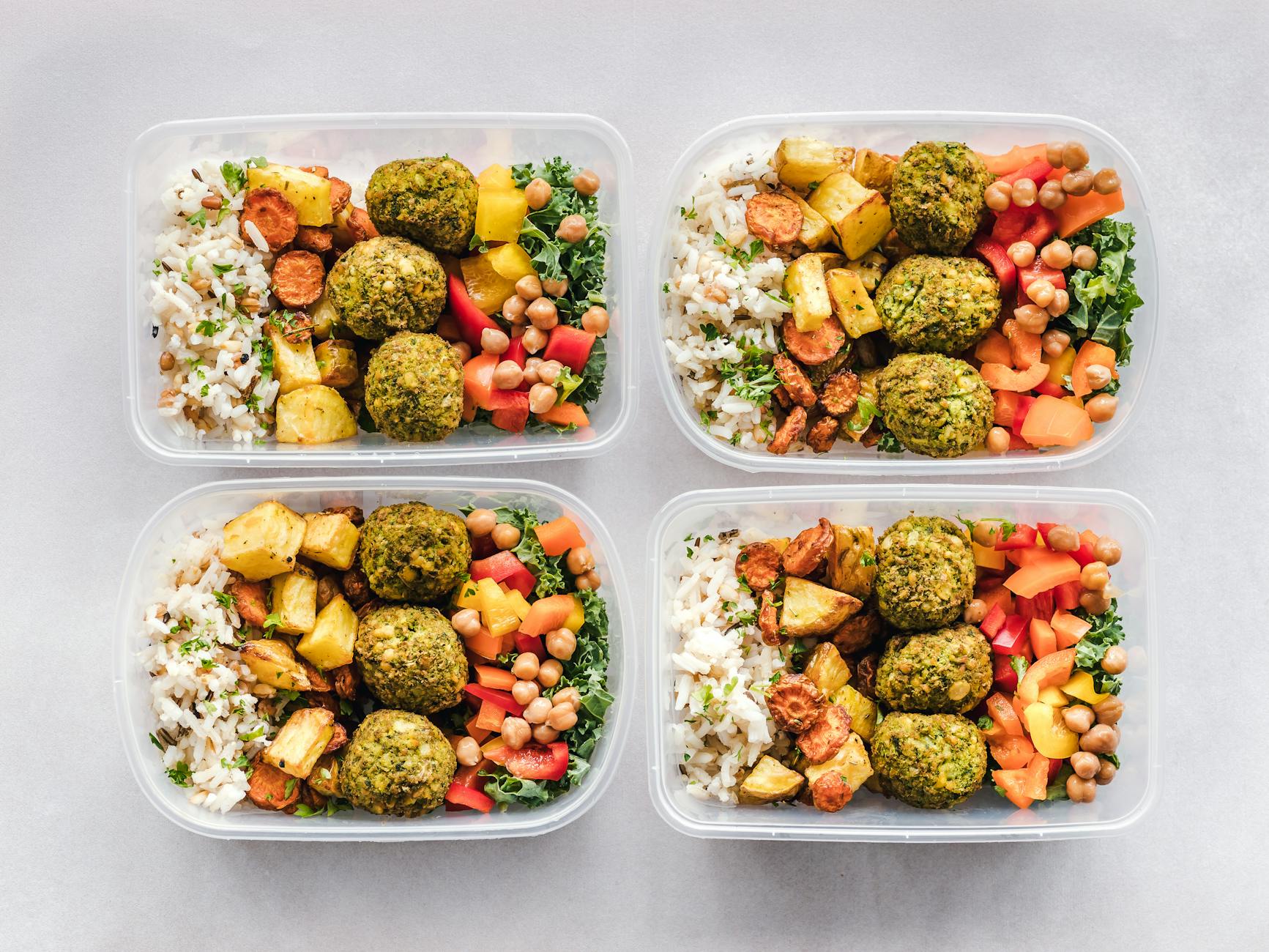
Use the assembly line method. Line up all your containers. Add grain to each one first. Then protein. Then vegetables. Finally, any sauces or toppings.
Don’t assemble salads more than 2 days in advance. Keep dressing separate until you’re ready to eat. Mason jar salads work great for this.
Label everything with the day you plan to eat it. No more mystery containers in the back of the fridge.
Put grab-and-go breakfasts in clear containers at eye level. Overnight oats, egg muffins, or yogurt parfaits become your morning heroes.
Keep heavier items at the bottom of containers. This prevents your beautiful meal from turning into a jumbled mess.
Store Everything Properly for Maximum Freshness
You’ve done all this work. Let’s make sure it lasts.
Eat meals with fish or seafood within 2 days. Chicken and beef last 3-4 days. Vegetarian meals often last the full week.
Place meals you’ll eat first at the front of the fridge. Thursday’s lunch goes in the back, Monday’s goes up front.
Freeze anything you won’t eat within 4 days. Most meals freeze beautifully and taste fresh when reheated.
Keep freezer meals in a single layer until frozen solid. Then you can stack them to save space.
Write freezer dates on containers. Frozen meals stay good for 2-3 months, but you’ll forget what’s what otherwise.
Store fresh herbs wrapped in damp paper towels inside plastic bags. They’ll stay vibrant all week instead of wilting by Tuesday.
Keep your fridge at 40°F or below. This simple step prevents bacterial growth and keeps everything safe to eat.
There you have it. Five simple steps that will change your relationship with weeknight dinners. No more stress, no more takeout guilt, just healthy meals ready when you are.
Start small if you need to. Even prepping three days of lunches is better than nothing. Build from there as you get comfortable.
Your future self will thank you every time you open that fridge.
Leave a Reply