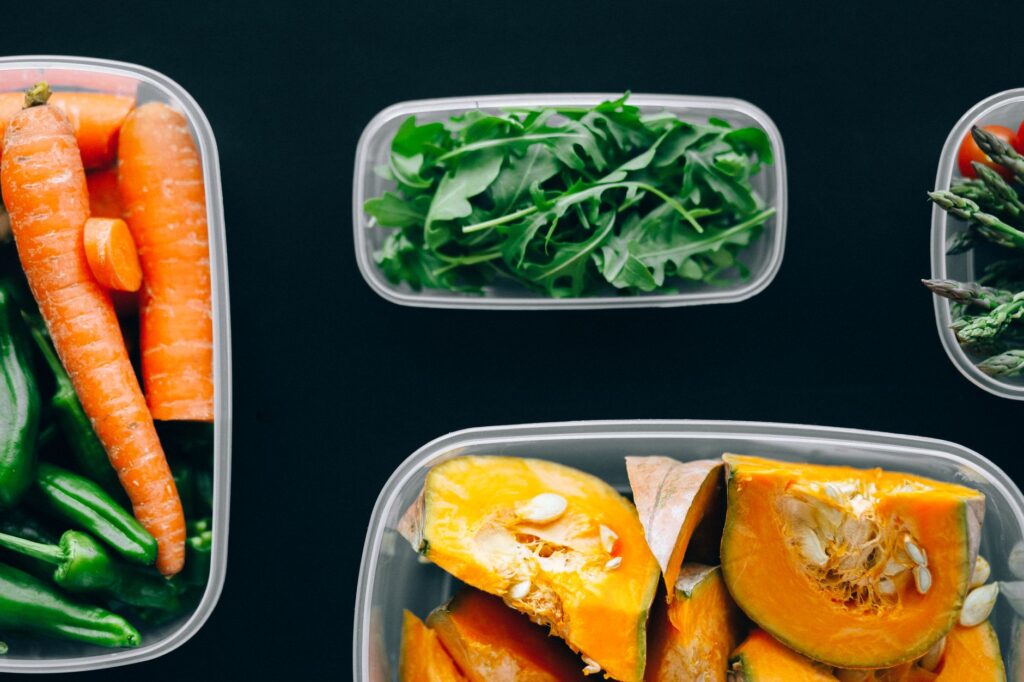
There are two ways to do plant based meal prep, and almost nobody tells you to pick one on purpose. You just end up with whichever one your Sunday mood handed you. Then Wednesday shows up, you open the fridge, and either you are staring at five identical containers you no longer want to eat, or you are staring at nine open tubs of stuff that require actual assembly before you can eat dinner.
Both approaches work. They fail in completely different ways, though, and that is the part worth knowing before you spend two hours cooking.
This post contains affiliate links; we may earn a small commission at no cost to you.
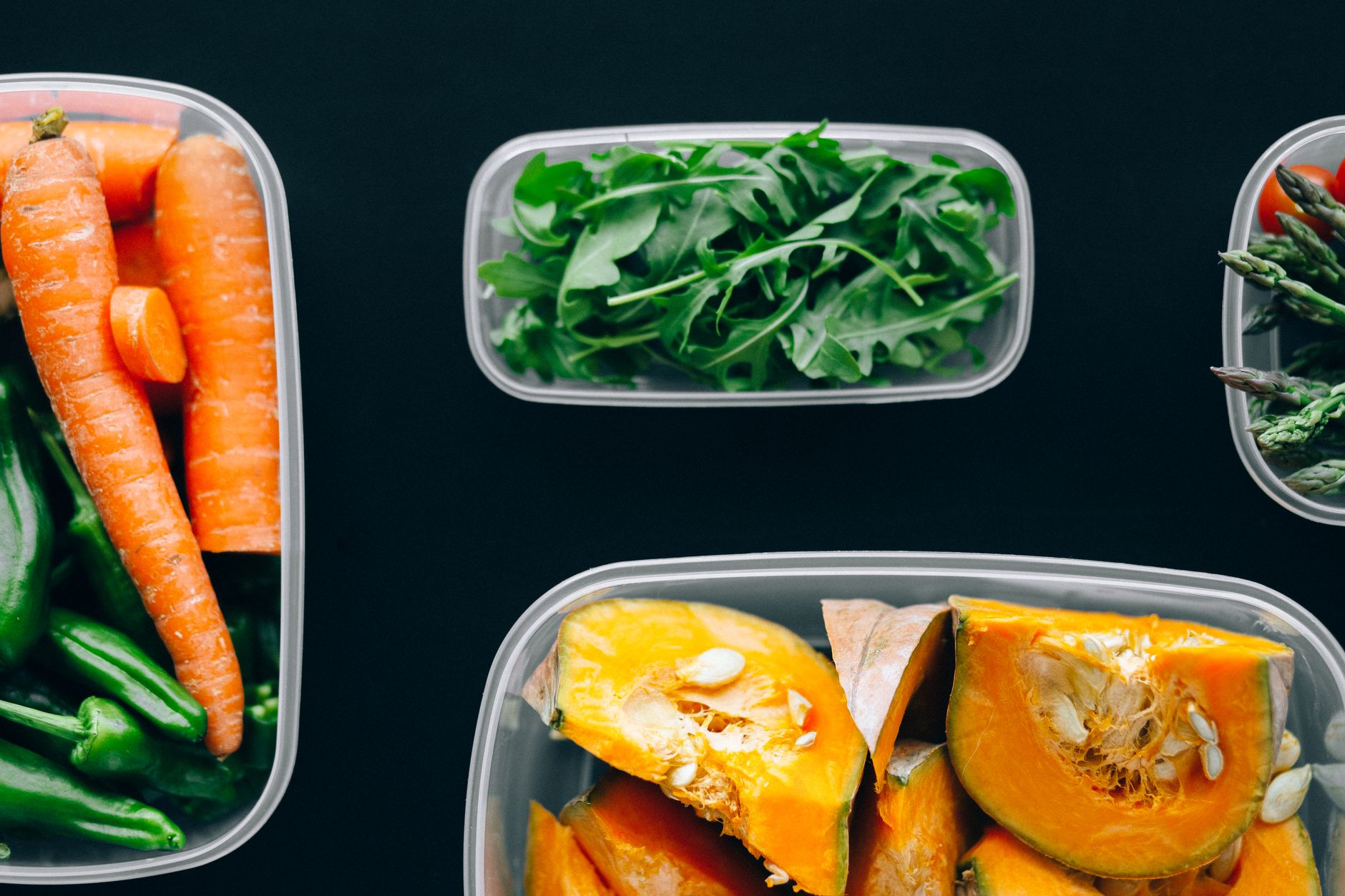
The two approaches, in one paragraph each
Batch bowls means you cook everything, then build finished meals on Sunday. Five containers, each one already a complete lunch. Grab, heat, eat.
Component prep means you cook the parts and store them separately. A tub of grains. A tub of lentils. A tray of roasted vegetables. A jar of dressing. You assemble a plate in about ninety seconds when you actually want to eat.
Same groceries. Same oven time. Wildly different Wednesday.
Batch bowls: the low-decision option
The whole argument for assembled bowls is that future you is tired and stupid. I mean that affectionately, because I am also future me. When dinner requires zero decisions, you eat the food you cooked. When it requires four decisions, you order Thai.
Assembled bowls also travel better. If you eat lunch at a desk, a sealed glass container with everything already in it beats hauling three tubs and building a salad next to your keyboard. Glass matters more than people think here, because you can reheat in the same dish you packed in, and it does not hold onto curry smell for the rest of its life.
Where batch bowls fall apart is variety and texture. By day four you are eating the same combination for the fourth time, and the parts that were supposed to be crisp are not crisp anymore. Roasted broccoli sitting on warm grains for four days becomes something else entirely.
Two rules make assembled bowls survive:
Keep the dressing out. Pack sauce in a small separate cup or a mini jar. Dressing poured on Sunday will have turned your greens into a swamp by Tuesday. This one change is most of the difference between bowls that hold and bowls that get thrown out.
Do not assemble raw greens under hot food. If your bowl gets microwaved, spinach and arugula go slimy. Put sturdy stuff in the bowl (roasted vegetables, grains, beans) and add the fresh handful when you eat.
View the full recipe
Ingredients
- 1 cup dry farro (makes about 3 cups cooked)
- 1 block extra-firm tofu, pressed 15 minutes
- 1 tbsp cornstarch
- 2 tbsp neutral oil, divided
- 1 head broccoli, cut into small florets
- 1 large sweet potato, diced into half-inch cubes
- 1 can chickpeas, drained and patted dry
- 1 tsp smoked paprika, 1 tsp garlic powder, salt
- Dressing: 3 tbsp tahini, juice of 1 lemon, 1 small garlic clove, 4 to 6 tbsp warm water
Instructions
- Heat the oven to 425F. Simmer the farro in salted water for 25 to 30 minutes until chewy but not mushy, then drain well and spread on a plate to cool.
- Cube the tofu, toss with the cornstarch, 1 tbsp oil and the paprika. Spread it on a half-sheet pan with space between pieces, because crowding steams it instead of crisping it.
- On a second pan, toss the sweet potato, broccoli and chickpeas with the remaining oil, garlic powder and salt.
- Roast both pans 25 to 30 minutes, flipping the tofu once at the halfway mark. The tofu should be golden and firm on the outside, the sweet potato tender at the center.
- Blend the tahini, lemon, garlic and water until pourable. Add water a tablespoon at a time; tahini seizes up before it loosens.
- Cool everything to room temperature before you build the bowls. Packing warm food traps steam and softens the tofu overnight.
- Divide across 4 containers. Dressing goes in separate small cups, not on the food.
Storage & reheat: 4 days in the fridge, and the roasted vegetables and farro freeze 2 months (the tofu turns spongy when frozen, so leave it out of freezer batches). Reheat covered for 2 minutes, then dress and add fresh greens after heating.
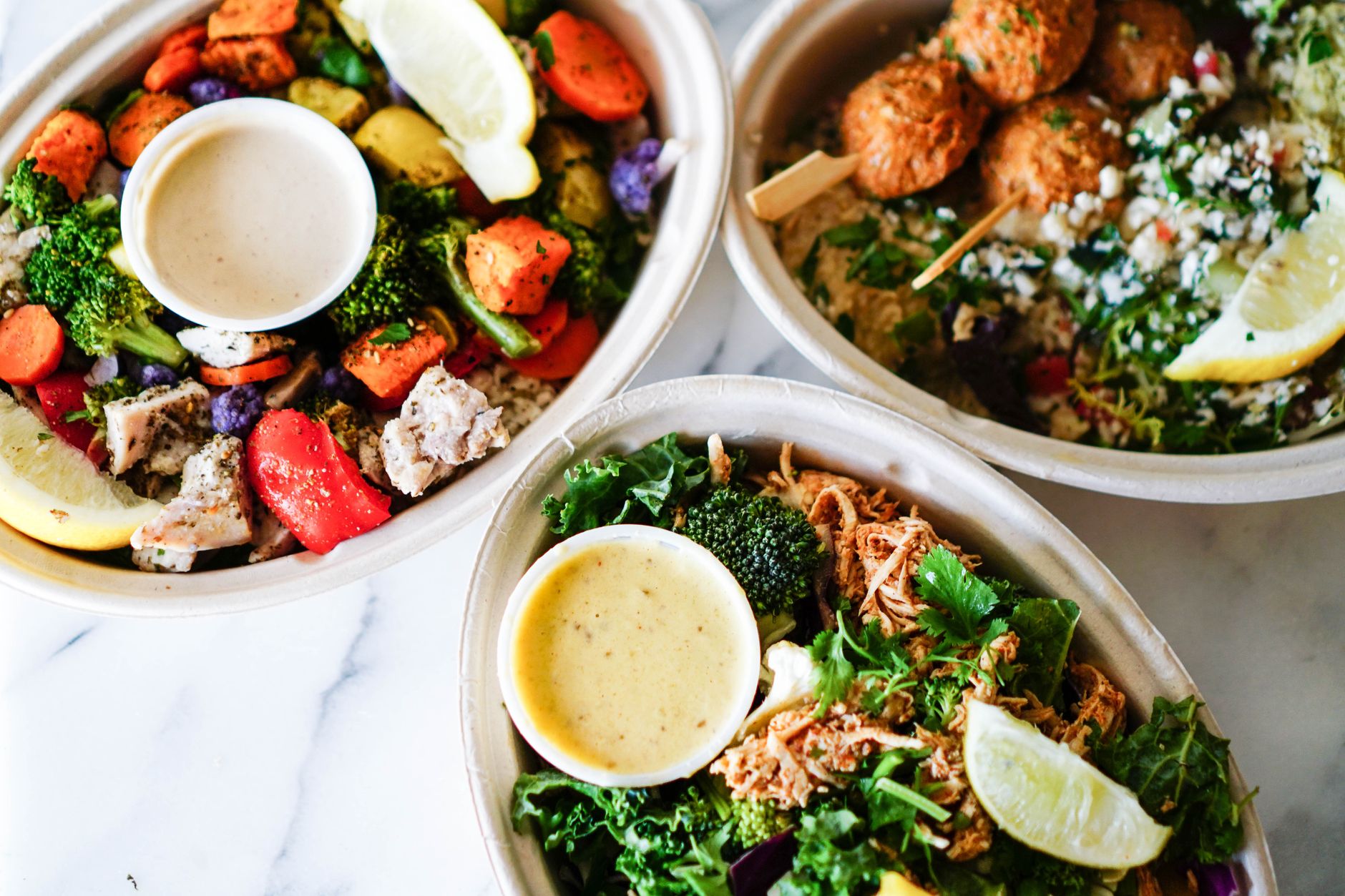
Component prep: the option that keeps you interested
Component prep is the one I keep coming back to for plant based meal prep specifically, because plants are already a mix-and-match cuisine. Cooked lentils go into a grain bowl on Monday, a soup on Tuesday and a salad on Thursday without anyone getting bored. That flexibility is worth more with beans and grains than it is with a chicken breast.
It also handles the thing that ruins most meal prep plans, which is that your week changes. Somebody invites you out Tuesday. You are not hungry Wednesday. With five assembled bowls, that is two wasted meals. With components, nothing is committed, so nothing is wasted.
The cost is friction. You have to assemble. And a fridge full of unlabeled tubs is genuinely worse than no prep at all, because you cannot see what you have and you end up cooking from scratch anyway. Label everything with a strip of tape and the date. Use containers you can see through.
Component prep is also where a high-speed blender earns its counter space. One batch of sauce turns the same four components into three different meals. Peanut-lime on Monday, tahini-lemon on Wednesday, salsa verde on Friday, and nobody notices they are eating the same lentils. Store sauces in wide-mouth mason jars so you can shake and pour without dirtying a bowl.
If you want a longer list of parts worth cooking on prep day, these vegetarian meal prep ideas work well as components even where they are written as full meals.
View the full recipe
Ingredients
- 1 cup dry brown or green lentils (makes about 2.5 cups cooked)
- 1 bay leaf, 1 smashed garlic clove
- 1 cup dry quinoa or brown rice
- 2 lbs mixed sturdy vegetables: carrots, cauliflower, red onion, bell pepper
- 2 tbsp olive oil, salt, pepper
- Peanut sauce: 1/3 cup peanut butter, 2 tbsp soy sauce, 1 tbsp maple syrup, juice of 1 lime, warm water to thin
Instructions
- Simmer the lentils in plenty of unsalted water with the bay leaf and garlic for 20 to 25 minutes. Start tasting at 18 minutes. You want them holding their shape, not collapsing. Salt them after they drain, not before, or the skins toughen.
- Cook the grain separately while the lentils go. Fluff it and let it steam off uncovered for 5 minutes so it does not clump in the tub.
- Roast the vegetables at 425F for 25 minutes. Cut everything roughly the same size or the onion burns while the carrots are still raw.
- Whisk the peanut sauce, thinning with warm water until it ribbons off the spoon.
- Cool each component fully, then store in four separate containers. Weigh portions on a kitchen scale if you are tracking protein, since cooked lentils run about 9g per cup.
- Label each container with the contents and the date.
Storage & reheat: lentils 5 days fridge and 3 months frozen, grains 5 days fridge and 3 months frozen, roasted vegetables 4 days fridge (freezing makes them watery). Reheat grains with a splash of water, covered, for 90 seconds.
Head to head
| Batch bowls | Component prep | |
|---|---|---|
| Sunday effort | Higher (cook plus assemble) | Lower (cook and dump into tubs) |
| Weekday effort | Near zero | About 90 seconds per meal |
| Variety by day 4 | Poor | Good |
| Handles a changed plan | Badly | Easily |
| Best for | Packed lunches, low willpower | Cooking at home, eating on a whim |
| Biggest failure | Boredom and soggy texture | Unlabeled tubs you never open |
So which one should you actually pick
Pick batch bowls if your meals leave the house. Portability and zero decisions are the whole game when you are eating at a desk or in a car.
Pick component prep if you eat most meals at home, if you get bored quickly, or if your schedule genuinely moves around. Also pick it if you have never stuck with meal prep before, because component prep fails softly. A skipped day costs you nothing.
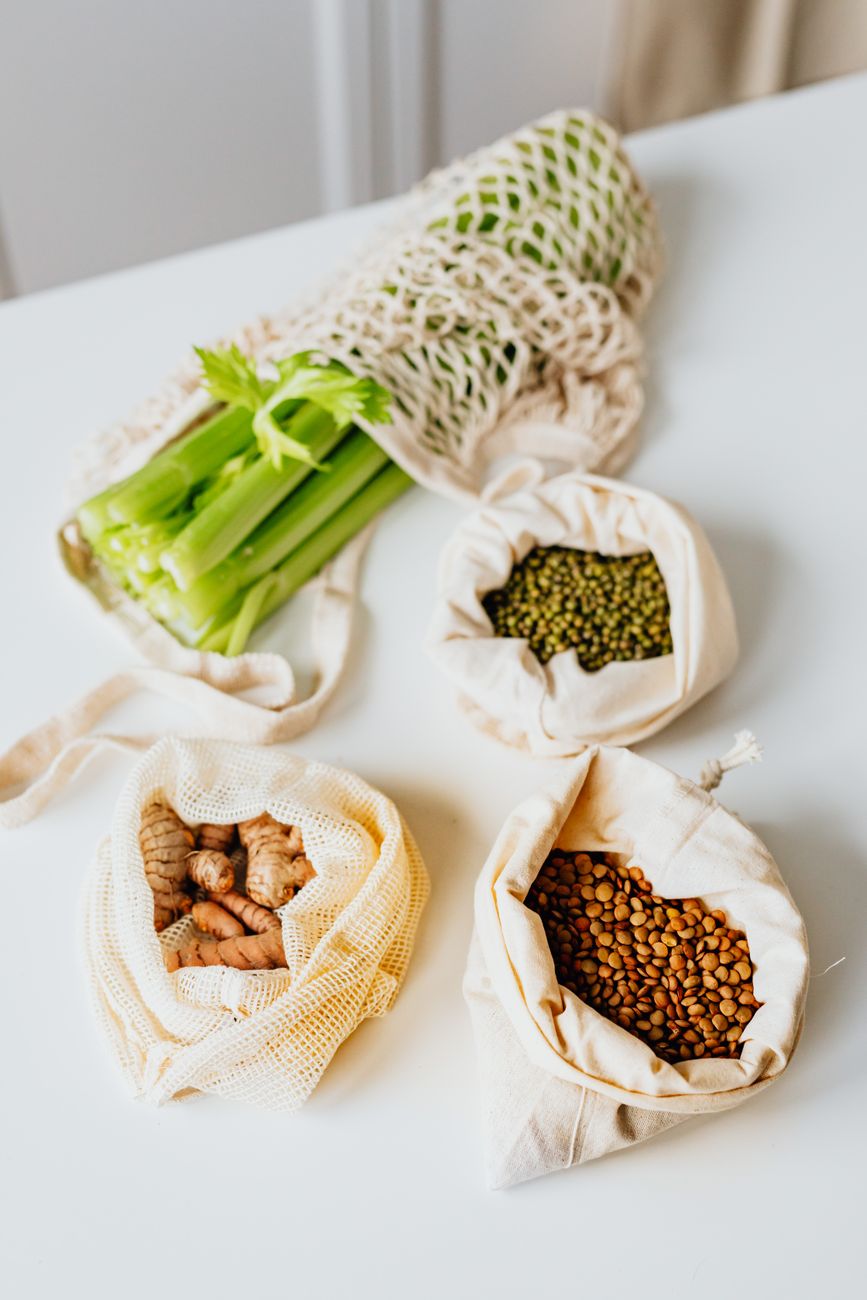
The version most people land on
After a few months, almost everyone I know doing this ends up splitting the difference. Assemble three bowls for the days you know you will be out, and leave the rest of the food as loose components for the days you will be home. You get the grab-and-go coverage where you need it and keep the flexibility everywhere else.
The prep day looks the same either way. Get two sheet pans of vegetables roasting, a pot of lentils simmering and a grain cooking at the same time, make one sauce, then decide at the end how much of it gets built into bowls. That decision takes thirty seconds and it is the only part of this that really matters.
Want more ideas to run through either system? These meatless meal prep ideas split cleanly into parts.
Stop scrolling for recipes. We find the healthy, easy meal prep ideas going viral and send you the top one every day. Join the list here.
With make-ahead plant based meal prep, the better method is whichever one matches the week you are actually going to have, which is rarely the week you imagined on Sunday afternoon.
Leave a Reply