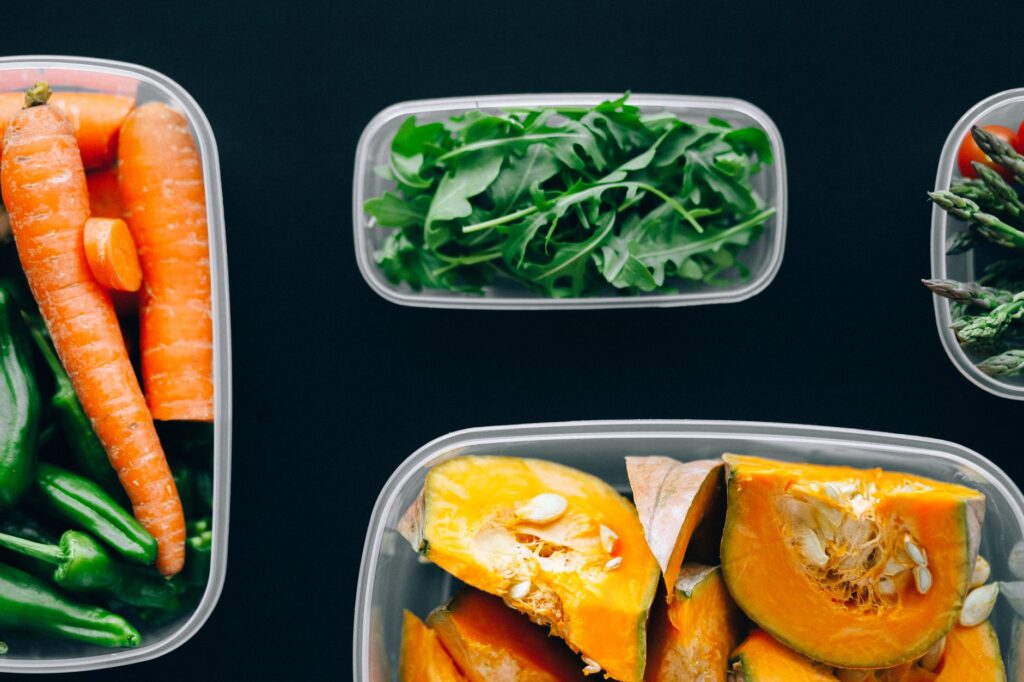
Most vegetarian meal prep dies on Wednesday. You cook a big pot of something virtuous on Sunday, eat it happily for two days, and then the sight of it makes you order a pizza. The food wasn’t bad. It was just the same thing, four times in a row, with no plan for the moment your interest ran out.
The fix is not more recipes. It is a method. Instead of cooking four finished meals, you cook a handful of parts and combine them differently each day. This is the whole trick behind vegetarian meal prep that actually gets eaten: cook components, not dinners. One grain, one protein, a tray of roasted vegetables, and a sauce that makes it all taste like you tried. Mix them one way Monday, another way Thursday, and your brain never registers leftovers.
This post contains affiliate links; we may earn a small commission at no cost to you.
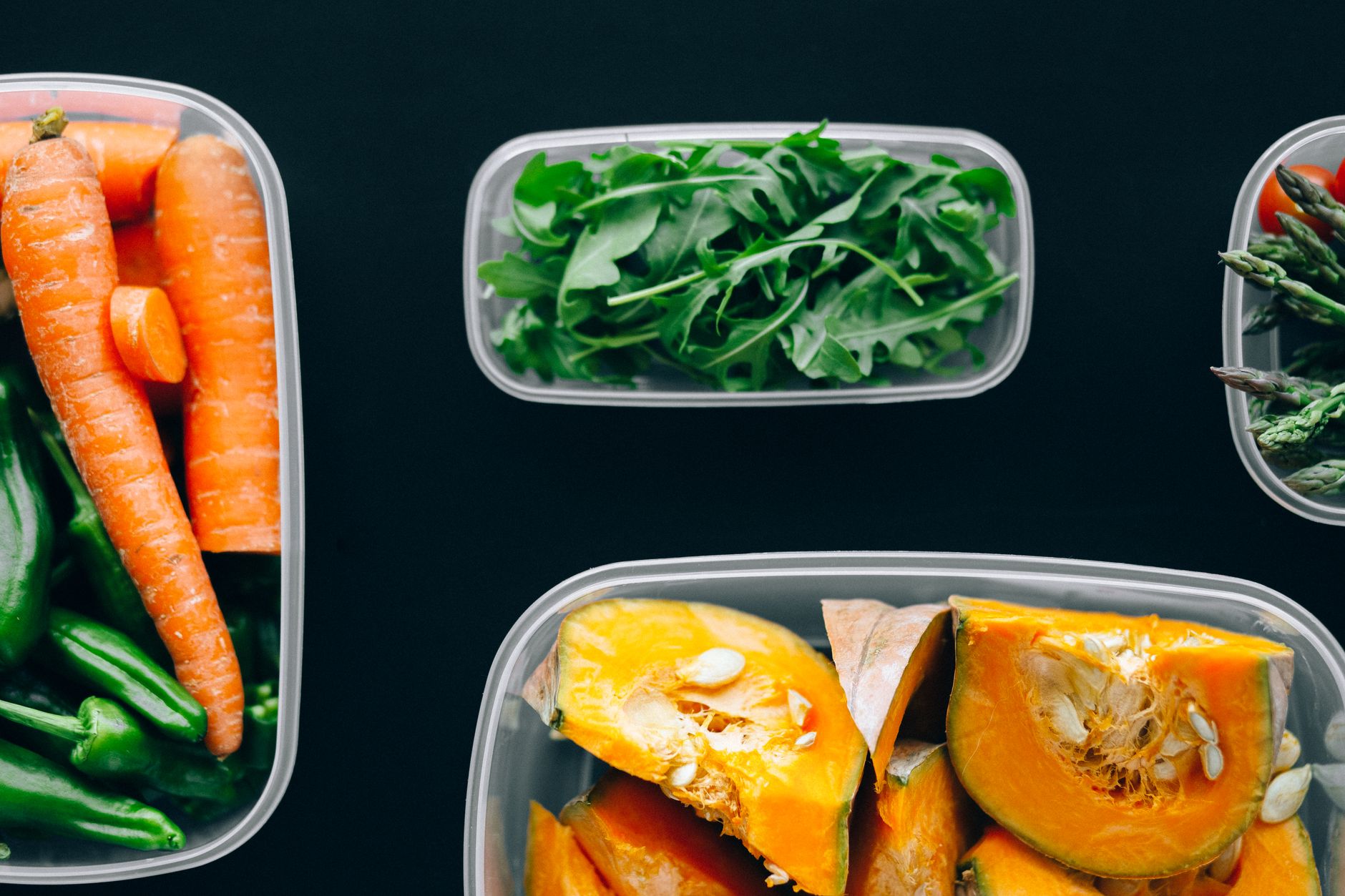
The mix-and-match idea behind vegetarian meal prep
A finished meal locks you in. A component gives you options. When you have cooked farro, a batch of crispy chickpeas, roasted vegetables, and a lemon-tahini sauce sitting in the fridge, you don’t have “leftovers.” You have a grain bowl on Monday, a stuffed pita on Tuesday, a big salad with warm chickpeas on Thursday. Same four containers, four different meals, zero new cooking.
It also solves the protein problem that trips up a lot of meatless meal prep. Vegetables alone leave you hungry by 3pm. Building each container around a real protein anchor, beans, lentils, tofu, or eggs, is what keeps you full and stops the vending-machine spiral. Aim for roughly 20 to 25 grams of protein per meal and you’ll feel the difference by midweek.
You’ll want a few things on hand. A set of glass meal prep containers so you can see what you’ve got and reheat without dirtying a pan. A couple of wide-mouth mason jars for salads and overnight oats, since dressing on the bottom keeps greens from going slimy. And a high-speed blender if you want sauces and dressings that come together in thirty seconds instead of a bowl and a whisk.
Step 1: cook one big batch of grain
Pick one grain for the week and make a lot of it. Farro, quinoa, brown rice, and pearl couscous all reheat well and hold their texture for days.
For farro, my usual default, simmer 1.5 cups dry in plenty of salted water for about 25 to 30 minutes, then drain like pasta. Quinoa is faster: 1 cup dry to 2 cups water, covered, 15 minutes, then let it sit off the heat for 5 so it fluffs instead of clumps. Salt the water in both cases, because grain you season after the fact always tastes flat.
One and a half cups of dry grain gives you four to five portions. Cooked, it keeps 5 days in the fridge and freezes beautifully for up to 3 months, so a double batch now saves you a step in two weeks.
Step 2: pick a protein and make enough of it
This is the part people skimp on, and it’s why they’re hungry. Choose one or two proteins and cook a real amount.
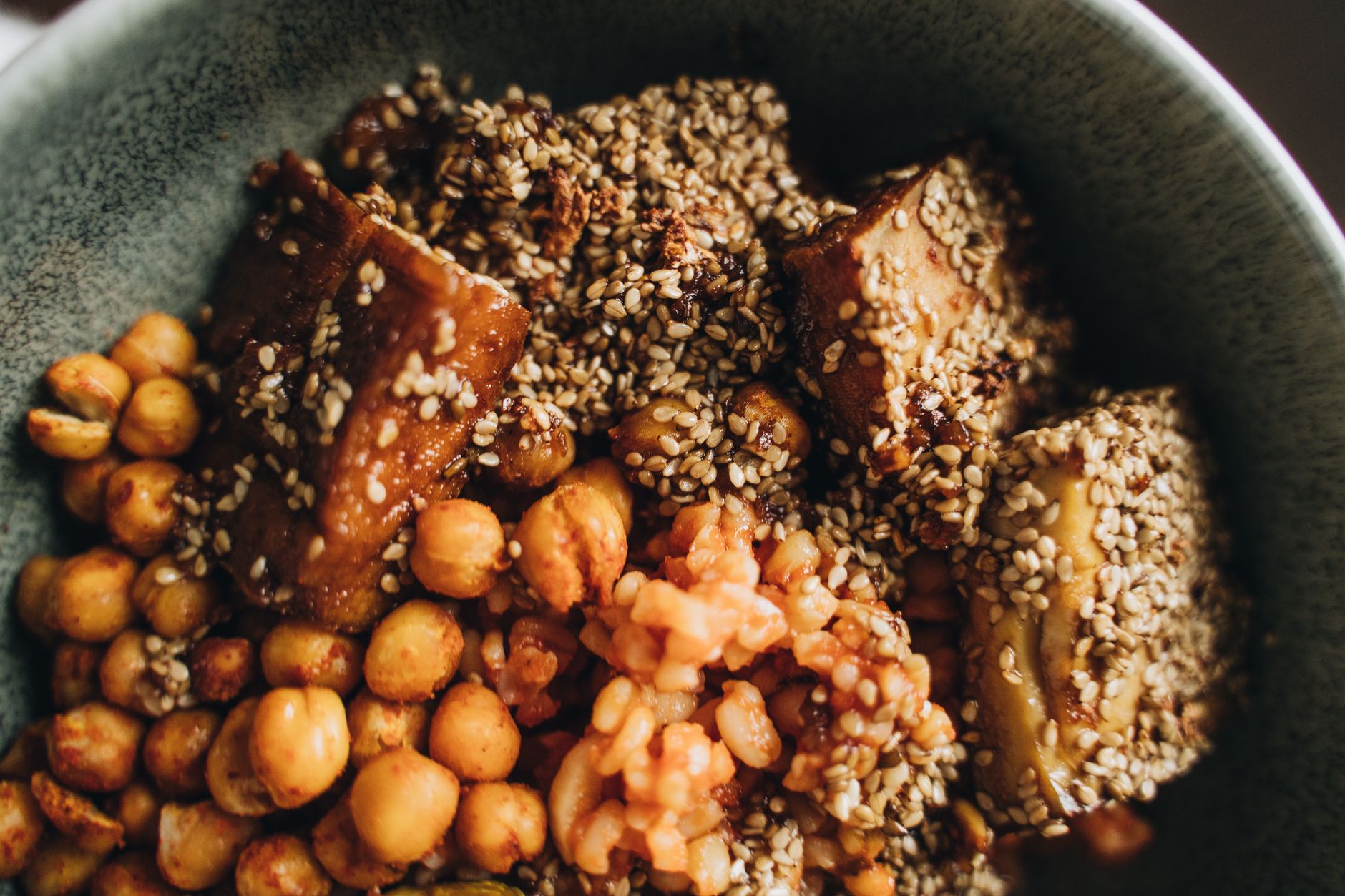
Crispy chickpeas are the easiest win. Drain and pat dry two cans, toss with a tablespoon of oil and a big pinch of salt plus cumin or smoked paprika, and roast at 425F for 25 to 30 minutes until they rattle in the pan. They lose their crunch in the fridge, so store them a little soft and know they’re still great in bowls.
Baked tofu holds up even better. Press a block for 15 minutes, cube it, toss with a tablespoon each of soy sauce and cornstarch, and bake at 400F for 25 minutes, flipping once. The cornstarch is the difference between sad tofu and tofu with an actual edge to it.
Lentils are the no-fuss option. Simmer 1 cup dry green or brown lentils in 3 cups water for about 20 to 25 minutes until tender but not mushy, then drain. They soak up whatever sauce you give them. If you’re chasing macros, a kitchen scale makes it easy to portion a consistent amount of protein into each container instead of eyeballing it.
Step 3: roast a tray of vegetables
One sheet pan, whatever’s in the drawer. Sweet potato, broccoli, cauliflower, bell peppers, red onion, and zucchini all roast well, just cut the denser ones smaller so everything finishes together.
Cut into similar-sized pieces, toss with oil and salt, and roast at 425F for 25 to 35 minutes. Don’t crowd the pan. Vegetables packed shoulder to shoulder steam and go limp, and spacing them out is the single biggest reason home-roasted veg turns out browned instead of soggy. Roasted vegetables keep about 4 days, so this is the component I’d eat earliest in the week.
If you want more ideas for the vegetable side of things, our roundup of vegetarian meal prep ideas has a bunch of combinations worth stealing.
Step 4: make one sauce (this is the secret)
A sauce is what makes four days of the same components taste like four different meals. Make one good one and it earns its keep all week.
Lemon-tahini: blend a quarter cup tahini, juice of one lemon, a small garlic clove, a pinch of salt, and 3 to 4 tablespoons water until it pours. Goes on everything.
Peanut-lime: two tablespoons peanut butter, a tablespoon each of soy sauce and lime juice, a teaspoon of honey or maple, and water to loosen. Turns rice and tofu into a meal you actually look forward to.
Both keep a week in a jar. Blending them in a high-speed blender gets them silky, but a fork and a little patience work too. Keep sauce separate from the components until you eat, so nothing goes soggy sitting in the fridge.
How to store it so Thursday still tastes good
Store the parts separately, not pre-assembled. Grain and protein in the big containers, sauce in a small jar, anything crisp kept dry. Assemble in the morning or right before you eat.
Rough storage windows so nothing surprises you:
- Cooked grains: 5 days fridge, 3 months freezer
- Chickpeas, tofu, lentils: 4 to 5 days fridge
- Roasted vegetables: about 4 days
- Sauces and dressings: 5 to 7 days
Eat the roasted veg and anything fresh earlier in the week, and lean on the grain-and-protein-and-sauce combos for the back half. If you’re prepping for more than three or four days, freeze half the protein and grain and pull it forward midweek so day five doesn’t taste like day one.
Four ways to combine the same four things
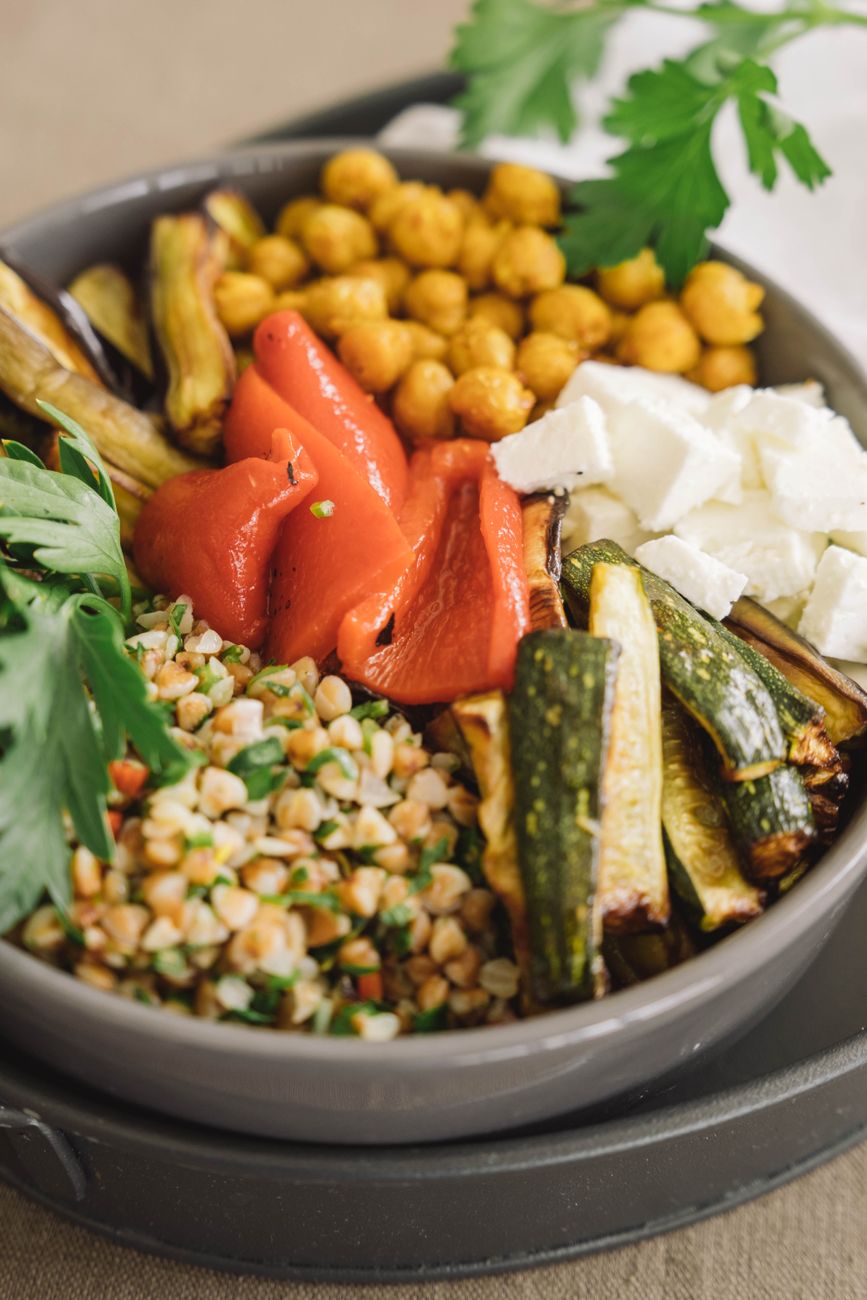
Here’s a week from one prep session, no new cooking:
- Grain bowl: farro, chickpeas, roasted veg, lemon-tahini
- Stuffed pita: warm chickpeas and veg in a pita with a spoon of sauce
- Big salad: greens, tofu, a scoop of grain, peanut-lime, packed in a mason jar with dressing on the bottom
- Fried rice-ish: grain and veg in a hot pan with an egg cracked in, sauce swirled through
Same containers. Your brain never files it as leftovers, which is the entire point.
Loved this one? We track down the meal prep recipes going viral and send you the best one every day. Get the top pick in your inbox.
Make it yours
None of this is fixed. Swap farro for rice, chickpeas for lentils, tahini for peanut. The structure is what carries you through the week, not any single recipe. If you also eat fully plant-based some days, the same build works there too, and our vegan meal prep ideas slot right into this method.
Get this rhythm down and vegetarian meal prep stops being a Sunday chore you dread and turns into four parts in the fridge that quietly become dinner all week. Cook the components once. Let Thursday take care of itself.
Leave a Reply