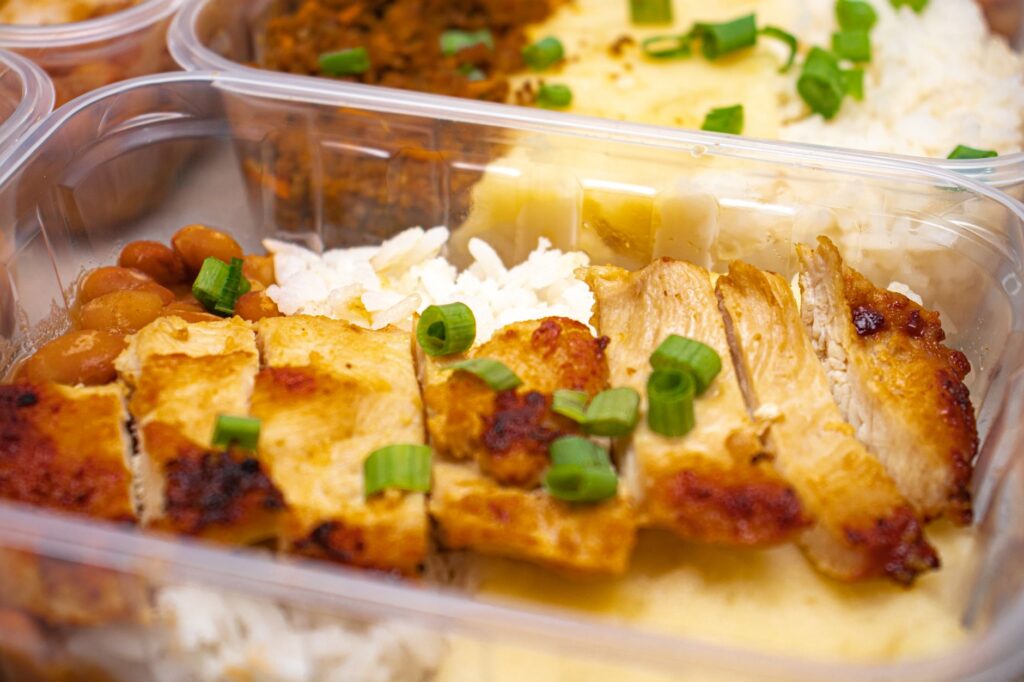
Most low-carb plans don’t fall apart because the food is bad. They fall apart on Wednesday, when you’re tired, the fridge has a sad bag of spinach in it, and the fastest thing in the house is a granola bar. That’s the moment good intentions lose. The fix isn’t more willpower. It’s having high protein low carb meals already cooked and waiting, so the easy choice and the right choice are the same thing.
So here’s how I actually do it, start to finish, in about an hour and a half on a Sunday. No fourteen containers, no sad chicken-and-broccoli on repeat.
This post contains affiliate links; we may earn a small commission at no cost to you.
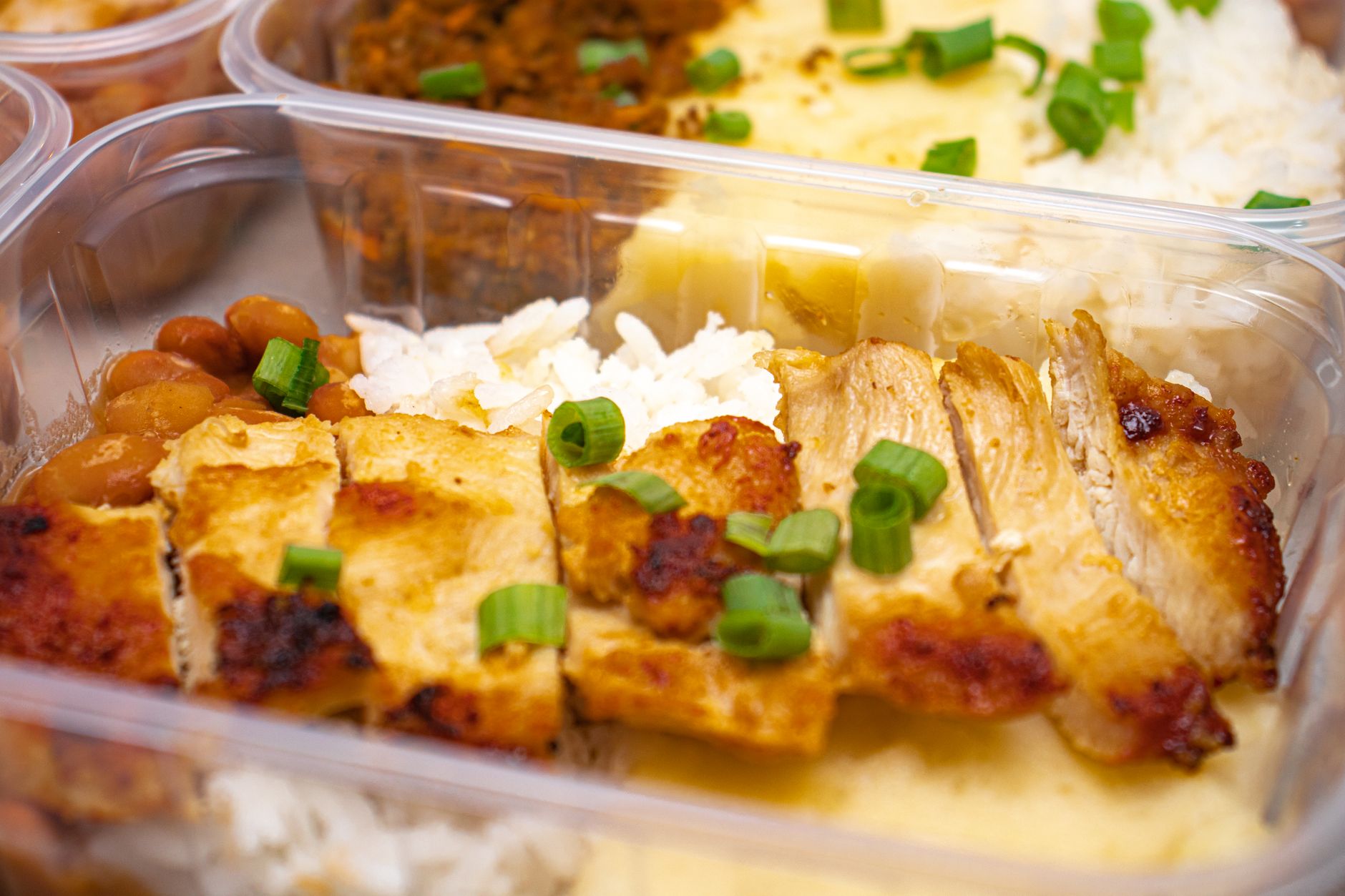
A simple formula for high protein low carb meals
Forget recipes for a second. If you can remember one plate formula, you can build a week of meals without looking anything up:
A palm-sized protein + two fistfuls of non-starchy veg + a thumb of fat + a sauce.
That’s it. The protein keeps you full and protects muscle while you’re eating fewer carbs. The veg gives you volume and fiber so the plate actually looks like a meal. The fat and the sauce are what stop the whole thing from tasting like diet food, which is the real reason most people quit.
What counts as low carb here: chicken, beef, pork, eggs, salmon, shrimp, and tofu for the protein. For veg, anything that grows above ground reads low carb. Think broccoli, cauliflower, zucchini, peppers, green beans, mushrooms, asparagus, cabbage. Skip the potatoes, rice, and corn for these particular containers. You’re aiming for roughly 35 to 45 grams of protein per meal and keeping net carbs under about 15 grams, which lands naturally once the plate is mostly protein and above-ground veg.
What you’ll need
Nothing fancy, but a few things make the hour go faster:
- A digital kitchen food scale. This is the one tool I’d argue you actually need for high-protein eating. Hitting 40 grams of protein by eyeballing a chicken breast is a coin flip, and a quick weigh takes the guesswork out.
- A set of glass meal prep containers. Glass doesn’t stain, doesn’t hold onto garlic smell, and goes straight from fridge to oven or microwave.
- A good chef’s knife, because half of this is just cutting veg, and a sharp knife turns that from a chore into five minutes.
- Two sheet pans, one big pot or skillet, and parchment paper.
For a three-to-four day prep for one person, buy roughly: 2 pounds of boneless skinless chicken thighs (more forgiving than breast), 1 pound of 90/10 ground beef, a dozen eggs, two heads of broccoli or a big bag of florets, two zucchini, and a couple of bell peppers.
Step 1: Get the protein cooking first
Protein takes the longest, so it goes in first while you prep everything else.
Toss the chicken thighs with olive oil, salt, pepper, garlic powder, and smoked paprika. Lay them on a sheet pan and roast at 425°F for 25 to 30 minutes, until they hit 165°F in the thickest part. Thighs are the move here because they stay juicy even after reheating, where breast tends to dry out by day three.
While that’s going, brown the pound of ground beef in a skillet over medium-high heat, breaking it up as it goes, about 8 minutes. Season it like taco meat (cumin, chili powder, garlic, salt) so it pulls double duty in bowls and lettuce wraps later. Drain off most of the fat but leave a little for flavor.
Hard-boil six eggs in the same window: cover with water, bring to a boil, kill the heat, cover, and let them sit 11 minutes, then dunk in cold water. Those become grab-and-go protein you don’t have to think about.
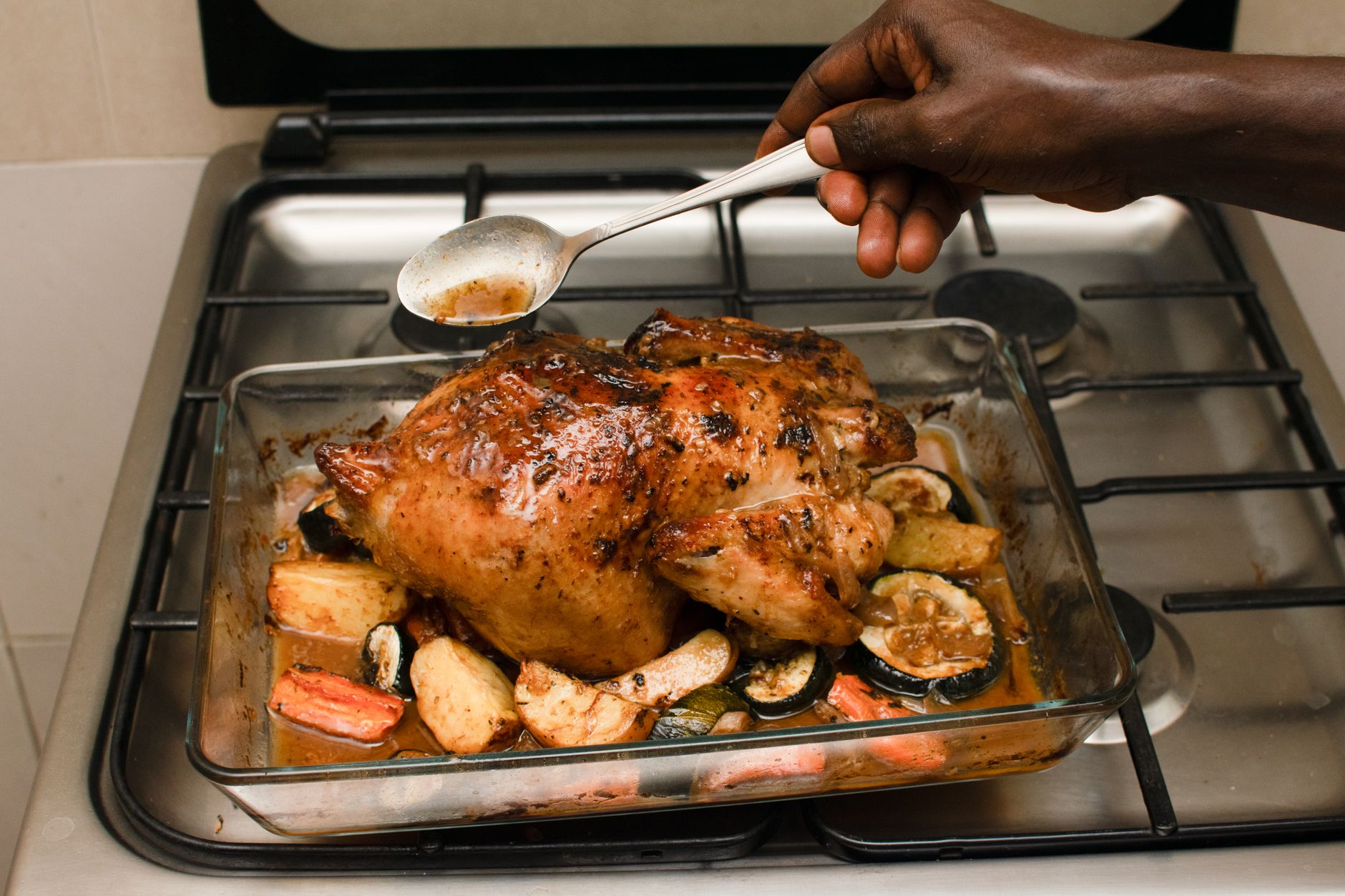
Step 2: Roast a big tray of low-carb veg
Cut the broccoli into florets and the zucchini and peppers into bite-sized pieces. Keep them in roughly even sizes so they cook at the same rate. Toss with olive oil, salt, and pepper, and spread them on a sheet pan in a single layer. Crowd the pan and they steam instead of roast, so use two pans if you need to.
Roast at 425°F for 20 to 25 minutes, giving them one stir halfway. You want the edges browned and a little crisp. That caramelization is the difference between veg you look forward to and veg you push around the container.
If you want this even faster on a weeknight later, a tray of roasted veg is the backbone of a lot of easy keto dinner ideas too, so it’s worth roasting extra.
Step 3: Make one or two sauces
This is the step people skip, and it’s the most important one. A sauce is what makes the same chicken taste different on Thursday than it did on Monday, so you don’t burn out.
Two that keep well for the whole week:
- Garlic-herb yogurt: a cup of plain Greek yogurt, a grated garlic clove, lemon juice, salt, and chopped dill or parsley. Bonus, it adds a few more grams of protein.
- Quick pesto or chimichurri: blend a big handful of herbs, garlic, olive oil, salt, and a squeeze of lemon. Keeps a bright, fresh flavor going all week.
Store sauces in their own small jars rather than pouring them over the food, so nothing goes soggy in the fridge.
Step 4: Weigh, portion, and label
Now build the containers. Weigh out about 4 to 5 ounces of cooked protein per meal (that’s where the food scale earns its place, landing you near that 40-gram protein target), then add a heap of roasted veg. Keep the sauce separate.
Pack it into glass containers, get the lids on while everything is still slightly warm to keep it fresher, and write the date on a piece of tape. Future you will not remember which day you cooked this.
If you’ve done a high-protein prep before, the portioning rhythm is the same one in our high-protein lunch ideas breakdown. The proteins and sauces change, the system doesn’t.
Storage and reheating, so day four still tastes good
Cooked chicken, beef, and roasted veg keep about 4 days in the fridge in a sealed container. Past that, the texture starts to slide.
For longer, freeze the cooked protein flat in a bag for 2 to 3 months and thaw it in the fridge overnight. I don’t freeze the roasted veg, because it turns to mush on the reheat. Cook a fresh tray of that midweek instead, it only takes 25 minutes.
When you reheat, add a splash of water or a drizzle of olive oil and cover the container. The steam brings the chicken back to life instead of turning it to rubber. Microwave in 45-second bursts rather than one long blast, and stir between them.
Mix-and-match so you never eat the same bowl twice
The whole point of cooking components instead of full recipes is that you can remix them. From this one prep you can build:
- A chicken bowl with roasted veg and the garlic yogurt.
- Beef lettuce wraps with peppers and a spoon of pesto.
- An egg-and-veg scramble for a high protein, low carb breakfast.
- A cold chicken-and-zucchini plate with chimichurri for the days it’s too hot to reheat anything.
Four meals, one cook session, and not one of them feels like leftovers.
Loved this one? There’s a steady stream of viral meal prep ideas with your name on it. Have the trending ones sent to you.
The takeaway
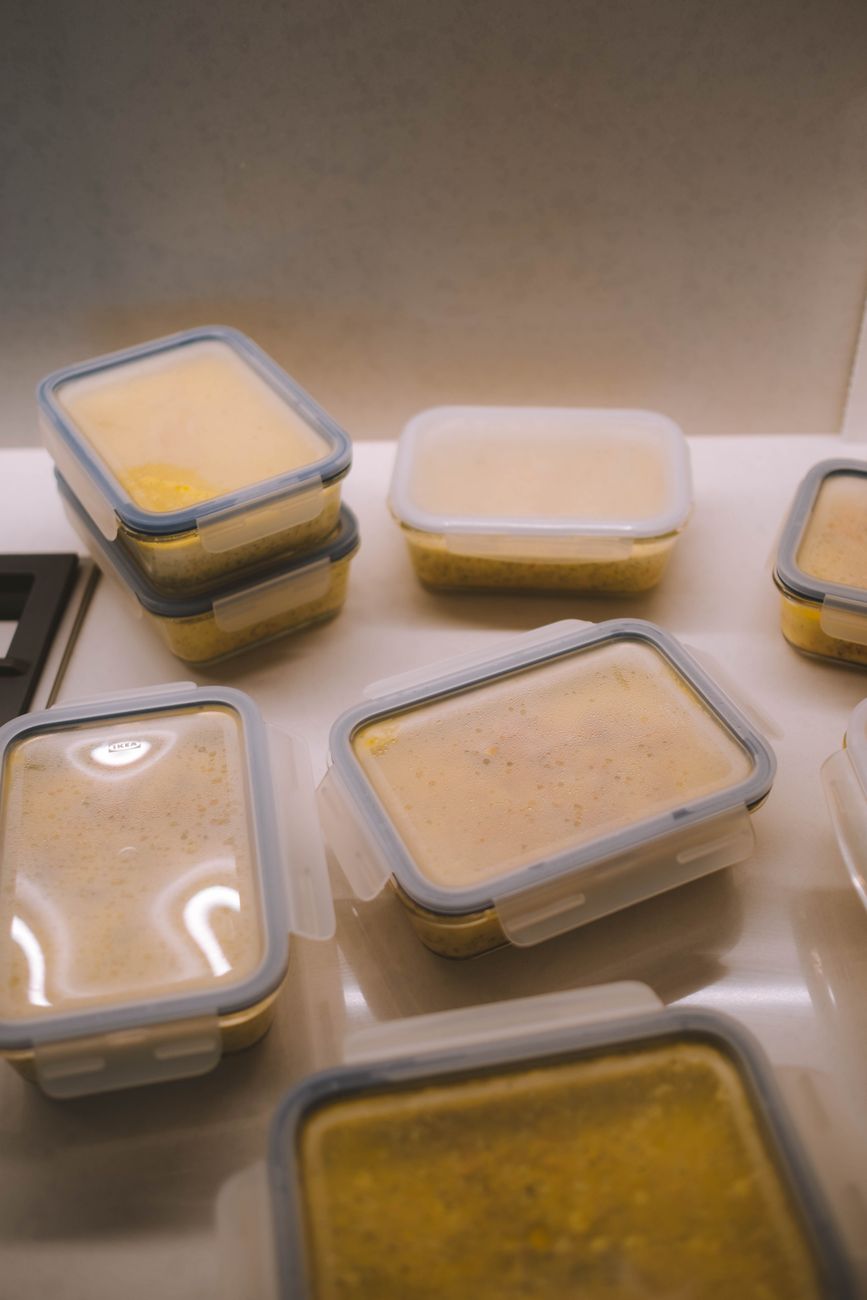
You don’t need a strict plan to eat well all week. You need a couple of hours on the weekend and a formula you can remember. Cook your proteins, roast a big tray of veg, make a sauce that wakes it all up, and weigh it into containers. That’s the entire trick to high protein low carb meals that actually get eaten, instead of slowly dying in the back of the fridge by Wednesday.
Leave a Reply