How to Meal Prep for Weight Loss Without Living on Sad Salads
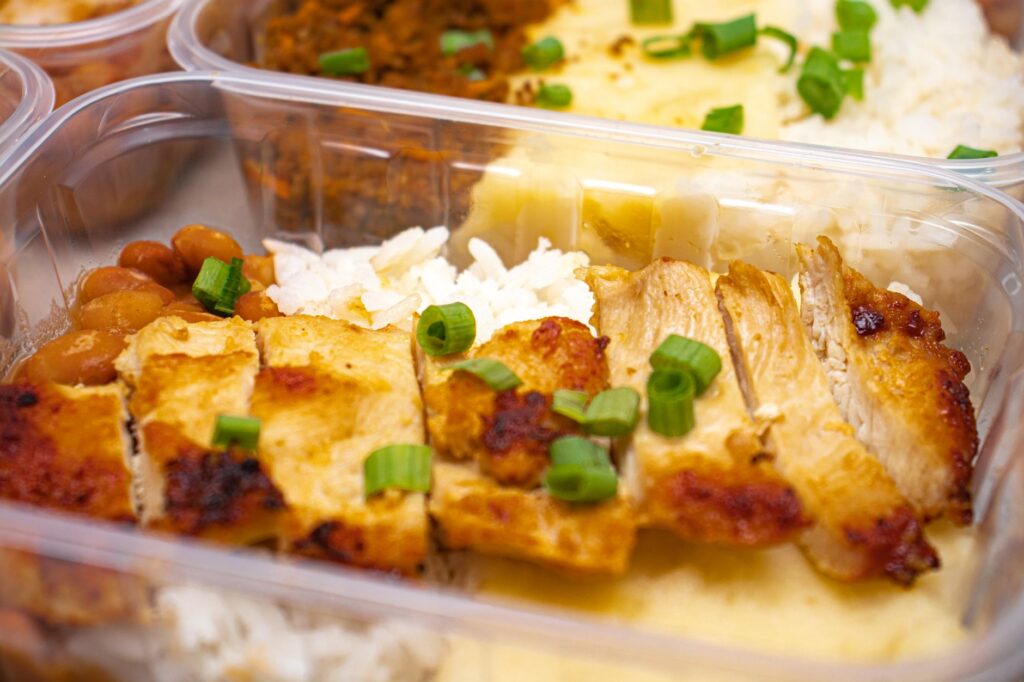
Most weight-loss meal prep advice falls apart the same way. You cook a giant batch of plain chicken and steamed broccoli on Sunday, feel very virtuous about it, and by Wednesday you would rather eat the container than what is inside it. Then you order takeout, feel like you blew it, and the whole plan quietly dies.
Learning how to meal prep for weight loss is less about willpower and more about building food you actually want to open at lunch. The deficit does the work. Your job is to make the deficit livable, so you stick with it past the first hard week. Here is the plan I keep coming back to, and why each part matters.
This post contains affiliate links; we may earn a small commission at no cost to you.
Why meal prep for weight loss works in the first place
Weight loss comes down to eating a bit less than you burn, most days, for a long stretch of time. Nothing fancy. The reason prepping helps is that it removes the decision you are worst at: the 12:30 “what do I eat” decision, made hungry, with no good food in reach. That is the moment most diets lose. When lunch is already cooked and portioned in the fridge, the easy choice and the right choice become the same choice.
So the goal of a good prep is not “perfect” food. It is food that is portioned, high in protein, genuinely tasty, and ready with no thinking required. Get those four right and the scale takes care of itself.
What you’ll need
You do not need much, but two things make weight-loss prep far easier than eyeballing it.
A digital kitchen food scale is the one that actually moves the needle. Portion sizes are where most people quietly undo their deficit, because a “serving” of rice by eye is usually closer to two. Weighing your protein and your starches for the first few weeks recalibrates your sense of a real portion fast, and after a month you can mostly eyeball it again.
A set of glass meal prep containers holds up to daily reheating without warping or staining the way cheap plastic does, and you can see what is inside, which sounds minor but matters when the goal is grabbing the right thing fast. If you pack lunches to take to work, a few portioned bento containers keep a snack and a meal separate so you are not eating a soggy combined mess at your desk.
For food, build your week around three buckets: a lean protein, a couple of vegetables, and one measured starch. That is the whole shopping list, repeated in different outfits.
Step 1: Pick a protein target, then build backward
Protein is the lever that makes a deficit tolerable. It keeps you full far longer than carbs or fat per calorie, and it protects muscle while you lose fat, so the weight you drop is the weight you want gone. A reasonable target for most people losing weight is somewhere around 0.7 to 1 gram of protein per pound of goal body weight. You do not need to hit it to the decimal. Aim high and you will land fine.
In practice that means every container you build starts with a real palm-to-fist of protein: chicken thigh or breast, lean ground beef or turkey, salmon, shrimp, eggs, tofu, or Greek yogurt for breakfast. Weigh it raw the first few times so you know what 5 or 6 ounces actually looks like. Cooked, it shrinks, and that shrinkage fools a lot of people into under-portioning.
Step 2: Cook proteins and veg in big, boring batches
Here is the part that saves your Sunday. Do not cook six different recipes. Cook components.
Roast two sheet pans of vegetables at 425 degrees for about 25 minutes, tossed in a little olive oil and salt. Broccoli, peppers, zucchini, green beans, and cauliflower all roast in roughly that window, so you can run mixed pans. While those cook, get your protein going. Chicken thighs take about 22 to 25 minutes at the same temperature and stay juicy even reheated, which plain breast does not. Ground meat browns in a single pan in under ten minutes and splits into a dozen meals.
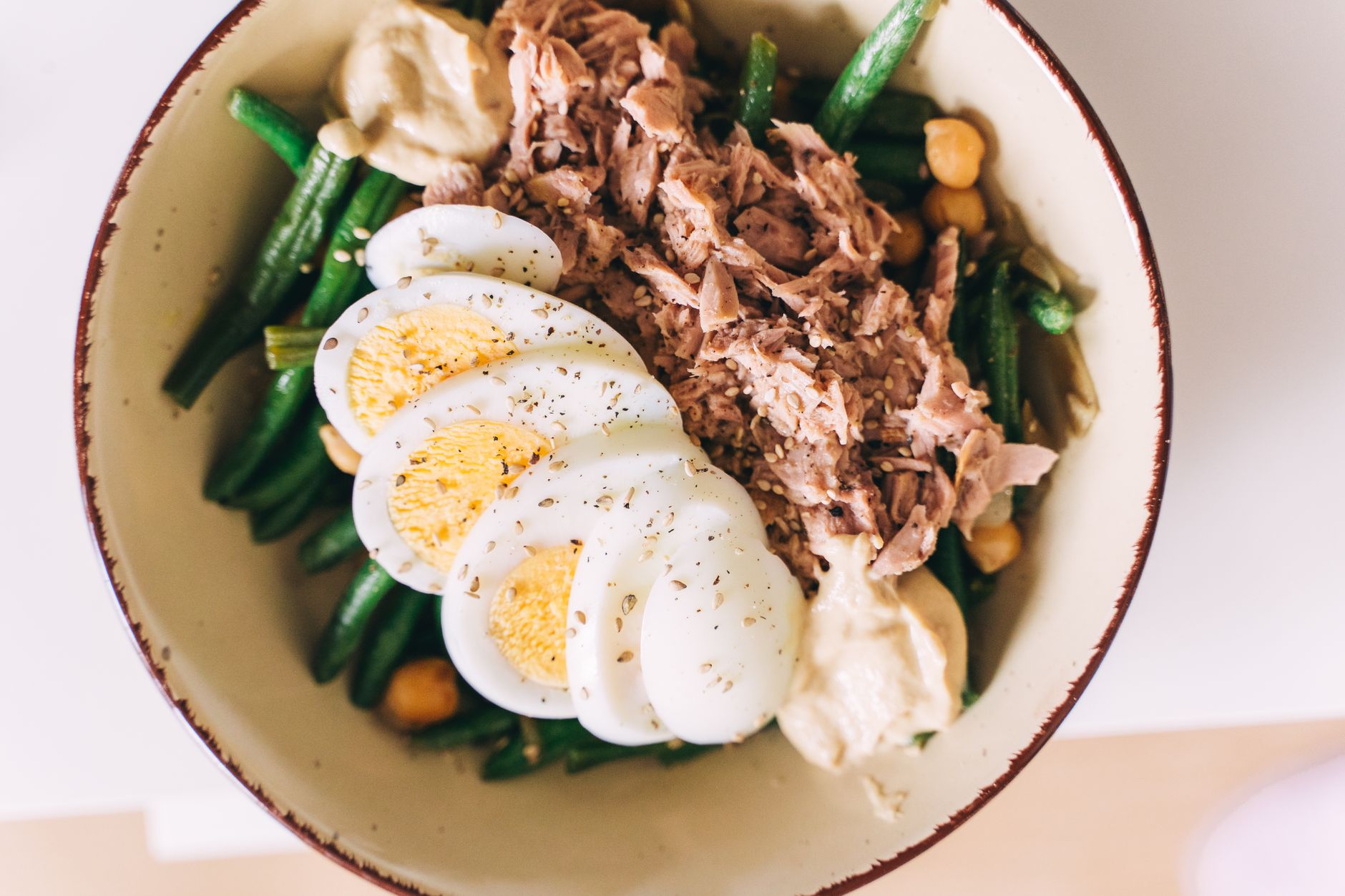
Cook one measured starch on the side: rice, potatoes, or quinoa. This is the one most people overdo, so portion it with the scale rather than the serving spoon. A half cup cooked alongside a big pile of vegetables reads as a full plate without the calorie load. If you are leaning lower-carb, swap the starch for extra vegetables and a little more protein. Some of my favorite filling, lower-carb dinners came straight out of these same batch-cooked components, and there are more in the keto dinner ideas roundup if that is the direction you want to push.
Step 3: Portion it the second it’s cooked
Portion while everything is still warm and you still have the energy. This is the moment your future self thanks you. Box up each meal as protein plus two vegetables plus the measured starch, snap the lids, and get them in the fridge.
Doing it now, in an assembly line, takes about fifteen minutes and locks in your portions. Doing it later, hungry, from a communal pot, is how “a serving” creeps upward all week. If you want the muscle-sparing version of all this, the same logic runs through these high-protein, low-carb meals, which lean harder on protein and keep the starch light.
Step 4: Build in flavor so Wednesday doesn’t kill you
Bland food is why diets die, so spend your effort here, not on cooking more. The trick is to keep your proteins and veg neutral when you cook them, then change the flavor at lunch with sauces and toppings that cost almost nothing in calories.
Keep a few of these in the fridge and rotate them: hot sauce, salsa, mustard, a squeeze of lemon, low-sugar teriyaki, a spoon of plain Greek yogurt mixed with garlic and dill, everything-bagel seasoning, pickled onions, kimchi. The same chicken-and-rice base becomes a different meal four days running. You are not eating the same lunch. You are eating the same ingredients dressed differently, and your brain treats that as variety.
A small thing that helps a lot: do not sauce the food before you store it. Roasted vegetables go soft and sad sitting in dressing for three days. Store them dry and add the wet stuff right before you eat.
Step 5: Store and reheat so it still tastes good on day four
Cooked protein, vegetables, and starches keep about four days in the fridge, which is why a Sunday prep comfortably covers Monday through Thursday. For the back half of the week, freeze a couple of portions on prep day and pull them the night before. Most of these meals freeze well for around two months.
When you reheat, add a splash of water and cover the container loosely so it steams instead of drying out. Microwave protein in shorter bursts and stir, since one long blast is what turns reheated chicken into rubber. Vegetables only need a minute. If something has a fresh element, like avocado or a handful of greens, keep it out and add it cold at the end.
Want more of what’s blowing up in meal prep right now? Have the best of it sent to you, so this never gets boring.
A realistic prep-day game plan
If you want the whole thing in one shot, here is the rhythm that fits an actual Sunday:
Preheat the oven and get your vegetables chopped and on sheet pans first, since they take the longest. While they roast, cook your protein and start your starch. Mix one or two sauces while everything is in the oven. As each thing finishes, move straight into portioning so nothing sits and cools while you lose momentum. Start to finish, a week of lunches and a few dinners takes about an hour, and most of that is hands-off oven time.
The mistake that quietly stalls everyone
The biggest one is under-eating early and then bingeing on the weekend. A deficit that is too aggressive makes you ravenous, cranky, and far more likely to wipe out three good days in one Saturday. You will lose weight faster on a moderate deficit you can actually hold than on a punishing one you blow up every few days.
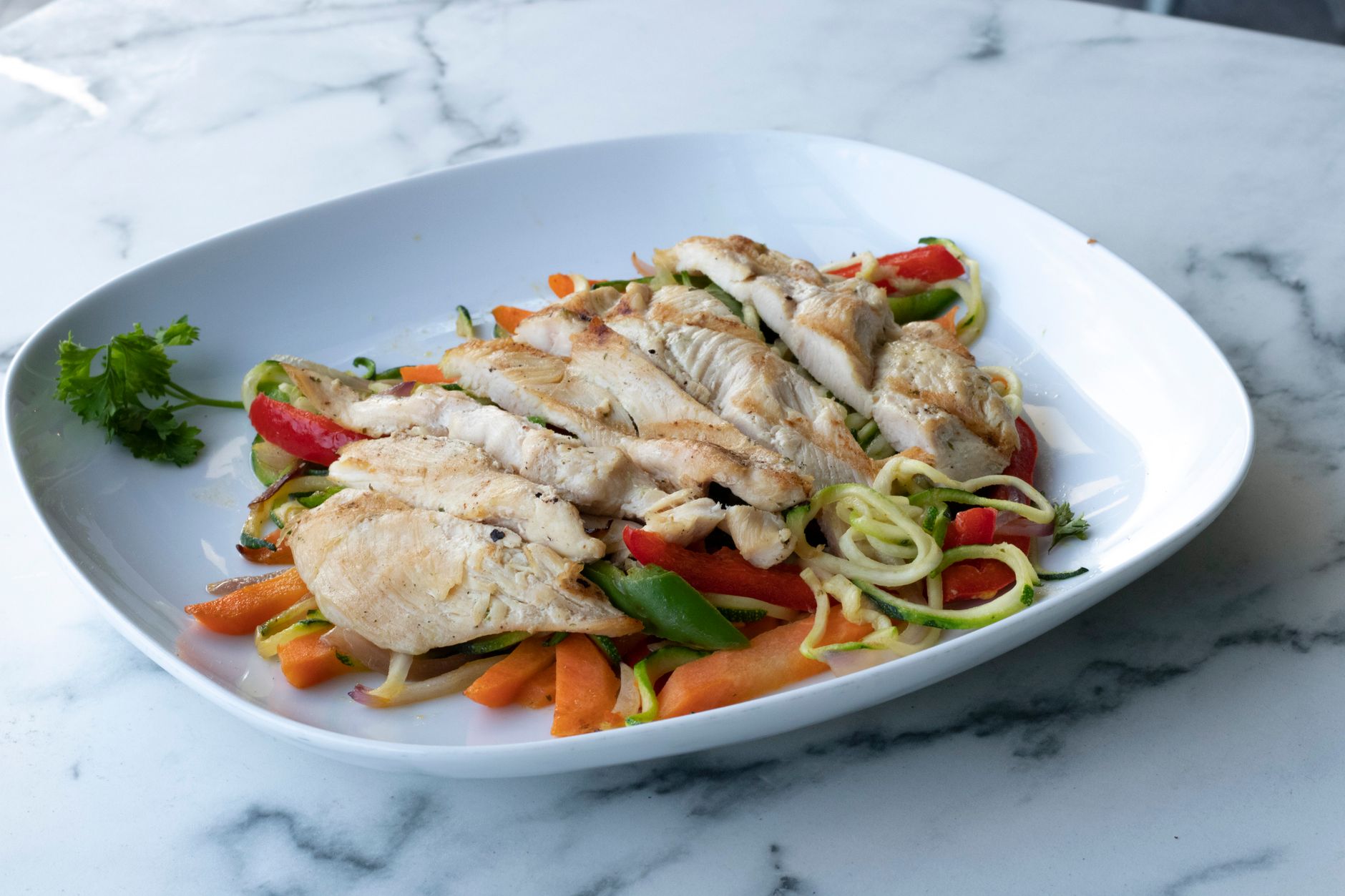
So make the food generous within the plan. Big piles of vegetables, real portions of protein, enough that you finish a meal satisfied. Meal prep for weight loss is not about eating as little as possible. It is about making the right amount of genuinely good food the easiest thing in your fridge, week after week, until the results stop being a project and start being a habit.
Leave a Reply